News
![WhatsApp to Enhance Privacy with the Introduction of Usernames img]() May 25, 2023 Alison Harvard WhatsApp to Enhance Privacy with the Introduction of Usernames WhatsApp, the widely popular messaging platform, has long relied on phone numbers as the sole identity for its accounts. However, this requirement may soon undergo a transformation as WhatsApp works on incorporating usernames into its user experience. With this potential change, users' phone numbers will no longer be visible in individual or group chats, offering enhanced privacy.
Recent reports from WABetaInfo have shed light on WhatsApp's latest beta version that, includes hints of this impending feature. According to these insights, the username section is expected to become available through the Profile page located within Settings after its official implementation. This move signifies that WhatsApp is making strides toward adopting a more privacy-centric approach for its users.
The inclusion of usernames on WhatsApp not only aims to boost users' privacy but also offers a new level of convenience and personalization. By allowing individuals to create unique identifiers distinct from their phone numbers, WhatsApp will enable them to maintain more control over their online presence and provide increased customization options for their profiles.
It is important to note that while the latest beta version indicates plans for this feature, an official confirmation and release date from WhatsApp are yet to be announced. As users anticipate this potentially exciting update, it marks an opportunity for the messaging app to further differentiate itself from competitors while listening and adapting to its user base's needs and concerns.
In conclusion, WhatsApp's rumored introduction of usernames demonstrates the company's commitment to enhancing user privacy and continuously evolving its platform. By enabling personalized identification separate from phone numbers, individuals could soon enjoy improved security and customization when communicating with others via this popular messaging app. As we wait for further details about this feature's official launch, it is clear that WhatsApp is taking active steps toward delivering a more satisfying and protected user experience. Read More
May 25, 2023 Alison Harvard WhatsApp to Enhance Privacy with the Introduction of Usernames WhatsApp, the widely popular messaging platform, has long relied on phone numbers as the sole identity for its accounts. However, this requirement may soon undergo a transformation as WhatsApp works on incorporating usernames into its user experience. With this potential change, users' phone numbers will no longer be visible in individual or group chats, offering enhanced privacy.
Recent reports from WABetaInfo have shed light on WhatsApp's latest beta version that, includes hints of this impending feature. According to these insights, the username section is expected to become available through the Profile page located within Settings after its official implementation. This move signifies that WhatsApp is making strides toward adopting a more privacy-centric approach for its users.
The inclusion of usernames on WhatsApp not only aims to boost users' privacy but also offers a new level of convenience and personalization. By allowing individuals to create unique identifiers distinct from their phone numbers, WhatsApp will enable them to maintain more control over their online presence and provide increased customization options for their profiles.
It is important to note that while the latest beta version indicates plans for this feature, an official confirmation and release date from WhatsApp are yet to be announced. As users anticipate this potentially exciting update, it marks an opportunity for the messaging app to further differentiate itself from competitors while listening and adapting to its user base's needs and concerns.
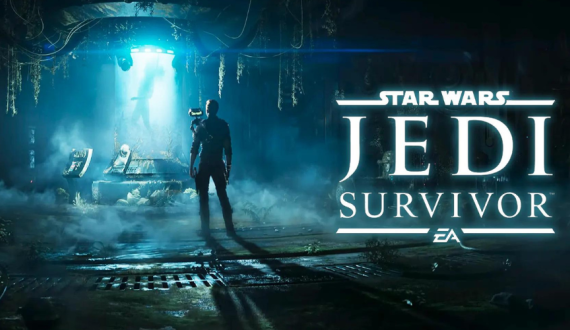
In conclusion, WhatsApp's rumored introduction of usernames demonstrates the company's commitment to enhancing user privacy and continuously evolving its platform. By enabling personalized identification separate from phone numbers, individuals could soon enjoy improved security and customization when communicating with others via this popular messaging app. As we wait for further details about this feature's official launch, it is clear that WhatsApp is taking active steps toward delivering a more satisfying and protected user experience. Read More ![Star Wars Jedi: Survivor's Patch 5 Tackles Progression Bugs and Unbeatable Boss img]() May 17, 2023 Benjamin Carter Star Wars Jedi: Survivor's Patch 5 Tackles Progression Bugs and Unbeatable Boss Star Wars Jedi: Survivor, the action-adventure game developed by Respawn Entertainment, has received its fifth update since its launch in April 2023. Patch 5 aims to fix various issues in the game, including progression-halting bugs and another unbeatable boss.
The update addresses a problem where bosses were not able to be defeated, which left players stuck in a loop, unable to progress further in the game. The patch also fixes a bug that would cause an issue where Bode wouldn’t grab the senator during some New Game+ playthroughs. It also fixes a bug where BD-1 wouldn’t be able to open a door. The patch fixes a bunch more small bugs and bugs in the game.
The developer also reported that work continues to improve the overall experience of Star Wars Jedi: Survivor. Thank you for your patience and support, stay tuned for future fixes for all platforms, and let us know if you have any additional issues.
Star Wars Jedi: Survivor's has been well-received by fans and critics alike, with praise for its engaging storyline, richly detailed environments, and satisfying gameplay. While the game has had its share of bugs and glitches, the developers have been diligent in addressing these issues through regular updates. Patch 5 is another step in this direction, ensuring that players have the best possible experience as they embark on their journey to become a Jedi Knight. Read More
May 17, 2023 Benjamin Carter Star Wars Jedi: Survivor's Patch 5 Tackles Progression Bugs and Unbeatable Boss Star Wars Jedi: Survivor, the action-adventure game developed by Respawn Entertainment, has received its fifth update since its launch in April 2023. Patch 5 aims to fix various issues in the game, including progression-halting bugs and another unbeatable boss.
The update addresses a problem where bosses were not able to be defeated, which left players stuck in a loop, unable to progress further in the game. The patch also fixes a bug that would cause an issue where Bode wouldn’t grab the senator during some New Game+ playthroughs. It also fixes a bug where BD-1 wouldn’t be able to open a door. The patch fixes a bunch more small bugs and bugs in the game.
The developer also reported that work continues to improve the overall experience of Star Wars Jedi: Survivor. Thank you for your patience and support, stay tuned for future fixes for all platforms, and let us know if you have any additional issues.
Star Wars Jedi: Survivor's has been well-received by fans and critics alike, with praise for its engaging storyline, richly detailed environments, and satisfying gameplay. While the game has had its share of bugs and glitches, the developers have been diligent in addressing these issues through regular updates. Patch 5 is another step in this direction, ensuring that players have the best possible experience as they embark on their journey to become a Jedi Knight. Read More -
![Discover the Top-5 Atomic Heart Alternative Games: A Dive Into the World of Surreal and Unique Gaming Experiences img]() May 16, 2023 Alison Harvard Discover the Top-5 Atomic Heart Alternative Games: A Dive Into the World of Surreal and Unique Gaming Experiences Atomic Heart has been making waves in the gaming community since its announcement, with its unique blend of surrealism, horror, and action. Set in an alternate universe during the height of the Soviet Union, the game puts players in the shoes of a Soviet KGB officer tasked with uncovering the mysteries behind a research facility gone rogue. With its bizarre creatures, stunning visuals, and intense gameplay, it's no wonder that gamers are eagerly anticipating its release. But what if you're craving a similar experience while waiting for Atomic Heart to hit the shelves? Look no further, as we've compiled a list of the top-5 alternative games that will satisfy your hunger for bizarre and unique gaming experiences. Immerse yourself in these captivating worlds and discover what makes each game stand out from the rest.
1. Bioshock Infinite
A City in the Sky: Columbia's Dark Secrets Unraveled
Bioshock Infinite is a first-person shooter developed by Irrational Games and released in 2013. The game takes place in an alternate 1912, where players assume the role of Booker DeWitt, a former Pinkerton agent tasked with rescuing a young woman named Elizabeth from the floating city of Columbia. This seemingly utopian city, created by the self-proclaimed prophet Comstock, holds dark secrets, and it's up to Booker and Elizabeth to uncover them while fighting off the city's hostile forces.
Gameplay: A Symphony of Combat and Exploration
Bioshock Infinite combines fast-paced, frenetic combat with exploration and puzzle-solving. Players have access to a wide array of weapons and abilities known as "Vigors," which allow them to manipulate the environment and enemies in various ways. The game also features a unique "sky-hook" system, allowing players to traverse the city's skyline and engage in thrilling aerial combat. As you progress through the game, you'll uncover Columbia's intricate story and make choices that will ultimately shape its fate.
2. Control
Battling the Supernatural: A Fight for Control
Control is a third-person action-adventure game developed by Remedy Entertainment and released in 2019. Set in a mysterious and ever-changing government building known as the Federal Bureau of Control (FBC), the game follows protagonist Jesse Faden as she searches for her missing brother and uncovers the Bureau's dark secrets. As she delves deeper into the building, Jesse discovers her newfound supernatural powers and must battle a deadly force known as the Hiss, which has invaded the FBC and corrupted its inhabitants.
Gameplay: Unleashing the Power Within
Control's gameplay revolves around Jesse's supernatural abilities, which include telekinesis, levitation, and mind control. Players can utilize these powers in creative ways to overcome both combat and environmental challenges. The game also features a vast, interconnected world with various hidden secrets and side missions, encouraging players to explore and uncover the many mysteries of the FBC.
3. Prey...
May 16, 2023 Alison Harvard Discover the Top-5 Atomic Heart Alternative Games: A Dive Into the World of Surreal and Unique Gaming Experiences Atomic Heart has been making waves in the gaming community since its announcement, with its unique blend of surrealism, horror, and action. Set in an alternate universe during the height of the Soviet Union, the game puts players in the shoes of a Soviet KGB officer tasked with uncovering the mysteries behind a research facility gone rogue. With its bizarre creatures, stunning visuals, and intense gameplay, it's no wonder that gamers are eagerly anticipating its release. But what if you're craving a similar experience while waiting for Atomic Heart to hit the shelves? Look no further, as we've compiled a list of the top-5 alternative games that will satisfy your hunger for bizarre and unique gaming experiences. Immerse yourself in these captivating worlds and discover what makes each game stand out from the rest.
1. Bioshock Infinite
A City in the Sky: Columbia's Dark Secrets Unraveled
Bioshock Infinite is a first-person shooter developed by Irrational Games and released in 2013. The game takes place in an alternate 1912, where players assume the role of Booker DeWitt, a former Pinkerton agent tasked with rescuing a young woman named Elizabeth from the floating city of Columbia. This seemingly utopian city, created by the self-proclaimed prophet Comstock, holds dark secrets, and it's up to Booker and Elizabeth to uncover them while fighting off the city's hostile forces.
Gameplay: A Symphony of Combat and Exploration
Bioshock Infinite combines fast-paced, frenetic combat with exploration and puzzle-solving. Players have access to a wide array of weapons and abilities known as "Vigors," which allow them to manipulate the environment and enemies in various ways. The game also features a unique "sky-hook" system, allowing players to traverse the city's skyline and engage in thrilling aerial combat. As you progress through the game, you'll uncover Columbia's intricate story and make choices that will ultimately shape its fate.
2. Control
Battling the Supernatural: A Fight for Control
Control is a third-person action-adventure game developed by Remedy Entertainment and released in 2019. Set in a mysterious and ever-changing government building known as the Federal Bureau of Control (FBC), the game follows protagonist Jesse Faden as she searches for her missing brother and uncovers the Bureau's dark secrets. As she delves deeper into the building, Jesse discovers her newfound supernatural powers and must battle a deadly force known as the Hiss, which has invaded the FBC and corrupted its inhabitants.
Gameplay: Unleashing the Power Within
Control's gameplay revolves around Jesse's supernatural abilities, which include telekinesis, levitation, and mind control. Players can utilize these powers in creative ways to overcome both combat and environmental challenges. The game also features a vast, interconnected world with various hidden secrets and side missions, encouraging players to explore and uncover the many mysteries of the FBC.
3. Prey... -
![Unveiling the Most Anticipated PS5 Games on the Horizon img]() May 15, 2023 Alison Harvard Unveiling the Most Anticipated PS5 Games on the Horizon As we dive into a new era of gaming with the release of the PlayStation 5, there's an incredible lineup of upcoming games that will surely captivate the hearts of gaming enthusiasts everywhere. With improved graphics, enhanced performance, and a slew of exclusive titles, the PS5 is poised to deliver an unprecedented gaming experience.
Among the most anticipated games is "Marvel's Spider-Man 2", a vibrant and action-packed adventure. With ray-tracing technology and the power of the PS5, this game is set to impress with its stunning visuals and immersive gameplay.
Another notable title is "Star Wars Jedi: Survivor," the sequel to the critically acclaimed "Star Wars Jedi: Fallen Order." Players will once again experience being a Jedi
Additionally, fans of the "Marvel" series will be thrilled with the arrival of "Marvel's Wolverine." Without a doubt, one of the most unexpected highlights of the PlayStation September 2021 showcase was the appearance of the iconic adamantium claws of Wolverine. A new Marvel Wolverine game is now in its early stages of development, and although information is scarce, we know that Brian Horton serves as the creative director and Cameron Christian as the game director for this standalone project.
These are just a few examples of the amazing exclusive games from Sony that await PS5 owners. With an ever-expanding library of titles, there will be something for everyone to enjoy. As developers continue to harness the power of the PlayStation 5, gamers can expect even more groundbreaking experiences in the years to come.
May 15, 2023 Alison Harvard Unveiling the Most Anticipated PS5 Games on the Horizon As we dive into a new era of gaming with the release of the PlayStation 5, there's an incredible lineup of upcoming games that will surely captivate the hearts of gaming enthusiasts everywhere. With improved graphics, enhanced performance, and a slew of exclusive titles, the PS5 is poised to deliver an unprecedented gaming experience.
Among the most anticipated games is "Marvel's Spider-Man 2", a vibrant and action-packed adventure. With ray-tracing technology and the power of the PS5, this game is set to impress with its stunning visuals and immersive gameplay.
Another notable title is "Star Wars Jedi: Survivor," the sequel to the critically acclaimed "Star Wars Jedi: Fallen Order." Players will once again experience being a Jedi
Additionally, fans of the "Marvel" series will be thrilled with the arrival of "Marvel's Wolverine." Without a doubt, one of the most unexpected highlights of the PlayStation September 2021 showcase was the appearance of the iconic adamantium claws of Wolverine. A new Marvel Wolverine game is now in its early stages of development, and although information is scarce, we know that Brian Horton serves as the creative director and Cameron Christian as the game director for this standalone project.
These are just a few examples of the amazing exclusive games from Sony that await PS5 owners. With an ever-expanding library of titles, there will be something for everyone to enjoy. As developers continue to harness the power of the PlayStation 5, gamers can expect even more groundbreaking experiences in the years to come. -
![Unveiling the Exciting Lineup of PlayStation Plus Essential Games for May 2023 img]() Apr 28, 2023 Benjamin Carter Unveiling the Exciting Lineup of PlayStation Plus Essential Games for May 2023 The moment avid gamers have been waiting for is finally here! Sony Interactive Entertainment has officially announced the PlayStation Plus Essential games for May 2023. This fantastic lineup comes as a confirmation of the earlier leaks and is set to enthrall players with its impressive selection of titles. With gamers eagerly anticipating the upcoming offerings, let's dive into the details of the much-awaited games.
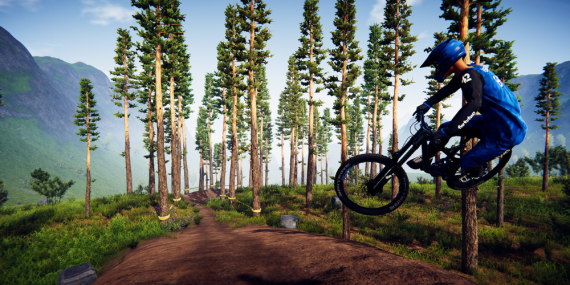
Kicking off the essential games roster for May are GRID Legends (PS5, PS4), Chivalry 2 (PS5, PS4), and Descenders (PS4). Available for PlayStation Plus Essential subscribers from May 2 until June 6, these games promise to keep players engaged with their captivating gameplay and stunning visuals. As a part of the entry-level PlayStation Plus membership tier, subscribers can access and enjoy these 'free' games throughout the month.
Continuing the excitement, April 2023's PlayStation Plus Essential games include Sackboy A Big Adventure (PS5, PS4), Meet Your Maker (PS5, PS4), and Tails of Iron (PS5, PS4). Gamers can claim these incredible titles until May 1, ensuring a seamless transition between the monthly game offerings. As long as players maintain their PlayStation Plus Essential subscription or opt for a higher tier, they can continue to enjoy these games even after their availability period ends.
In conclusion, the PlayStation Plus Essential games lineup for May 2023 is a testament to Sony's commitment to delivering top-notch gaming experiences to its subscribers. With exciting titles covering a range of genres, players are sure to find something that piques their interest. Moreover, the inclusion of these games in the PlayStation Plus Game Catalogue for Extra and Premium tier subscribers ensures that gamers can enjoy them on day one of their releases. So, gear up and get ready to dive into the exhilarating world of PlayStation Plus Essential games for May 2023!
Apr 28, 2023 Benjamin Carter Unveiling the Exciting Lineup of PlayStation Plus Essential Games for May 2023 The moment avid gamers have been waiting for is finally here! Sony Interactive Entertainment has officially announced the PlayStation Plus Essential games for May 2023. This fantastic lineup comes as a confirmation of the earlier leaks and is set to enthrall players with its impressive selection of titles. With gamers eagerly anticipating the upcoming offerings, let's dive into the details of the much-awaited games.
Kicking off the essential games roster for May are GRID Legends (PS5, PS4), Chivalry 2 (PS5, PS4), and Descenders (PS4). Available for PlayStation Plus Essential subscribers from May 2 until June 6, these games promise to keep players engaged with their captivating gameplay and stunning visuals. As a part of the entry-level PlayStation Plus membership tier, subscribers can access and enjoy these 'free' games throughout the month.
Continuing the excitement, April 2023's PlayStation Plus Essential games include Sackboy A Big Adventure (PS5, PS4), Meet Your Maker (PS5, PS4), and Tails of Iron (PS5, PS4). Gamers can claim these incredible titles until May 1, ensuring a seamless transition between the monthly game offerings. As long as players maintain their PlayStation Plus Essential subscription or opt for a higher tier, they can continue to enjoy these games even after their availability period ends.
In conclusion, the PlayStation Plus Essential games lineup for May 2023 is a testament to Sony's commitment to delivering top-notch gaming experiences to its subscribers. With exciting titles covering a range of genres, players are sure to find something that piques their interest. Moreover, the inclusion of these games in the PlayStation Plus Game Catalogue for Extra and Premium tier subscribers ensures that gamers can enjoy them on day one of their releases. So, gear up and get ready to dive into the exhilarating world of PlayStation Plus Essential games for May 2023! -
![Ghost of Tsushima 2: A Journey of Redemption Inspired by The Last of Us img]() Apr 27, 2023 Alison Harvard Ghost of Tsushima 2: A Journey of Redemption Inspired by The Last of Us The phenomenal success of Ghost of Tsushima by Sucker Punch has left fans craving for a sequel. This beautiful open-world game set in feudal Japan was a fitting tribute to the PS4 era, and with the recent announcement of a film adaptation, the excitement is palpable. As we look forward to a potential sequel, it seems fitting that Ghost of Tsushima 2 should take inspiration from another Sony franchise, The Last of Us, not only in terms of developing a riveting narrative but also in the portrayal of the game's central characters and themes.
The Last of Us centered around the powerful bond that developed between Joel and Ellie, two characters from different walks of life who found solace and purpose in each other's companionship. Ghost of Tsushima 2 could adopt a similar approach by introducing a new character who would learn the ways of the samurai under the tutelage of Jin Sakai, the protagonist of the first game. This approach would simultaneously give Jin a reason to continue fighting – despite the hardships he has faced – and provide fertile ground for the growth of a compelling father/son dynamic reminiscent of Joel and Ellie's relationship.
As Jin's journey unfolds in the sequel, his status as an outlaw could serve as the catalyst for his redemption. A young samurai seeking to bring Jin to justice could form an unlikely partnership with him, eventually discovering the depths of his honor and the true worth of the samurai code. This journey of redemption would not only depict Jin's struggle to regain his honor but also explore the challenges of being true to oneself in a world fraught with deception and loss.
The introduction of a new protagonist in Ghost of Tsushima 2 opens the possibility of a third game in the series, which could see this character taking center stage, akin to how Ellie took up the mantle in The Last of Us Part II. This narrative arc would allow for a satisfying conclusion to Jin's story, giving the character a chance to pass on his legacy and wisdom to the next generation of samurai.
In conclusion, Ghost of Tsushima 2 has the potential to be a captivating continuation of Jin's journey while taking inspiration from the emotional depth of The Last of Us. By introducing a new character and exploring themes of redemption, honor, and the importance of human connections, the sequel promises to be as entertaining and engaging as its predecessor. As the anticipation builds, it is clear that the convergence of storytelling elements from these iconic franchises could result in a gaming experience that not only meets but surpasses the high expectations set by their successful predecessors.
Apr 27, 2023 Alison Harvard Ghost of Tsushima 2: A Journey of Redemption Inspired by The Last of Us The phenomenal success of Ghost of Tsushima by Sucker Punch has left fans craving for a sequel. This beautiful open-world game set in feudal Japan was a fitting tribute to the PS4 era, and with the recent announcement of a film adaptation, the excitement is palpable. As we look forward to a potential sequel, it seems fitting that Ghost of Tsushima 2 should take inspiration from another Sony franchise, The Last of Us, not only in terms of developing a riveting narrative but also in the portrayal of the game's central characters and themes.
The Last of Us centered around the powerful bond that developed between Joel and Ellie, two characters from different walks of life who found solace and purpose in each other's companionship. Ghost of Tsushima 2 could adopt a similar approach by introducing a new character who would learn the ways of the samurai under the tutelage of Jin Sakai, the protagonist of the first game. This approach would simultaneously give Jin a reason to continue fighting – despite the hardships he has faced – and provide fertile ground for the growth of a compelling father/son dynamic reminiscent of Joel and Ellie's relationship.
As Jin's journey unfolds in the sequel, his status as an outlaw could serve as the catalyst for his redemption. A young samurai seeking to bring Jin to justice could form an unlikely partnership with him, eventually discovering the depths of his honor and the true worth of the samurai code. This journey of redemption would not only depict Jin's struggle to regain his honor but also explore the challenges of being true to oneself in a world fraught with deception and loss.
The introduction of a new protagonist in Ghost of Tsushima 2 opens the possibility of a third game in the series, which could see this character taking center stage, akin to how Ellie took up the mantle in The Last of Us Part II. This narrative arc would allow for a satisfying conclusion to Jin's story, giving the character a chance to pass on his legacy and wisdom to the next generation of samurai.
In conclusion, Ghost of Tsushima 2 has the potential to be a captivating continuation of Jin's journey while taking inspiration from the emotional depth of The Last of Us. By introducing a new character and exploring themes of redemption, honor, and the importance of human connections, the sequel promises to be as entertaining and engaging as its predecessor. As the anticipation builds, it is clear that the convergence of storytelling elements from these iconic franchises could result in a gaming experience that not only meets but surpasses the high expectations set by their successful predecessors. -
![Seeing Voldemort's Ruthless Power in Hogwarts Legacy img]() Apr 14, 2023 Benjamin Carter Seeing Voldemort's Ruthless Power in Hogwarts Legacy Hogwarts Legacy is the latest game to put players into the magical world of Harry Potter. Players can roleplay as a student at Hogwarts and explore the world of witchcraft and wizardry. However, one player took their roleplaying to the next level, playing as the infamous Voldemort and displaying his ruthless power by defeating Professor Matilda Weasley in a no-holds-barred beatdown.
The events of Hogwarts Legacy take place in the late 1800s, decades before Voldemort ever attended Hogwarts in 1938. It is unknown how Voldemort would have fared against the strongest witches and wizards of the time, but his rise to power likely would have been the same whether he attended Hogwarts during this time or not.
A Reddit user nicknamed doomed_lifeform shared a video of his character, Voldemort, battling Professor Weasley. The professor is quickly defeated by an onslaught of powerful spells, leaving her face down on the ground as Voldemort walks away. The video reveals two different mods used, one of which being a Voldemort character mod and the other allowing players to attack fellow students and professors. The Voldemort mod is available on NexusMods, and the Attack mod is exclusively for Jedijosh920 subscribers on Patreon.
The video also includes a few spells that players may not recognize, which is the result of a mod adding those spells to the game. Mods like this one open up a wide range of possibilities for PC gamers, often allowing them to do things that the developers didn't have in mind.
In conclusion, Voldemort's merciless attack on Professor Weasley may be uncomfortable for some to watch, but thankfully, there are plenty of friendlier mods for players to enjoy as well. Some of them are downright silly and entertaining, offering comedic relief for those who don't appreciate the darker side of Hogwarts Legacy. With mods, the game is truly whatever you make of it.
Apr 14, 2023 Benjamin Carter Seeing Voldemort's Ruthless Power in Hogwarts Legacy Hogwarts Legacy is the latest game to put players into the magical world of Harry Potter. Players can roleplay as a student at Hogwarts and explore the world of witchcraft and wizardry. However, one player took their roleplaying to the next level, playing as the infamous Voldemort and displaying his ruthless power by defeating Professor Matilda Weasley in a no-holds-barred beatdown.
The events of Hogwarts Legacy take place in the late 1800s, decades before Voldemort ever attended Hogwarts in 1938. It is unknown how Voldemort would have fared against the strongest witches and wizards of the time, but his rise to power likely would have been the same whether he attended Hogwarts during this time or not.
A Reddit user nicknamed doomed_lifeform shared a video of his character, Voldemort, battling Professor Weasley. The professor is quickly defeated by an onslaught of powerful spells, leaving her face down on the ground as Voldemort walks away. The video reveals two different mods used, one of which being a Voldemort character mod and the other allowing players to attack fellow students and professors. The Voldemort mod is available on NexusMods, and the Attack mod is exclusively for Jedijosh920 subscribers on Patreon.
The video also includes a few spells that players may not recognize, which is the result of a mod adding those spells to the game. Mods like this one open up a wide range of possibilities for PC gamers, often allowing them to do things that the developers didn't have in mind.
In conclusion, Voldemort's merciless attack on Professor Weasley may be uncomfortable for some to watch, but thankfully, there are plenty of friendlier mods for players to enjoy as well. Some of them are downright silly and entertaining, offering comedic relief for those who don't appreciate the darker side of Hogwarts Legacy. With mods, the game is truly whatever you make of it. -
![TikTok’s Bold Move Into In-Stream Shopping img]() Apr 13, 2023 Alison Harvard TikTok’s Bold Move Into In-Stream Shopping TikTok, the short-form video app, is making a bold move into in-stream shopping. Following its success in China, the platform is launching a new push with retailers to try to get more Western audiences interested in shopping with the app. With free shipping and discount coupons, TikTok is hoping to make in-stream shopping a reality.
Though Western audiences have yet to truly embrace shopping via TikTok, the platform is not giving up. TikTok is inviting select retailers to participate in its in-app shopping program and offering them big subsidies on shipping and sales to boost interest. This initiative looks to push items in videos with the help of influencers by offering commission sales in a new affiliate-marketing program.
TikTok’s success with Lemon8 – a product-focused platform – is a good indication of the app’s ability to influence usage trends. Lemon8 was downloaded over 650,000 times in the US over the last week and a half, making it reach the top 10 in the ‘Lifestyle’ category.
Meanwhile, in China, Douyin reported a 320% increase in eCommerce sales last year, largely driven by live-stream shopping. While the Chinese live shopping economy is projected to be worth more than $500 billion in 2023, it’s not certain if TikTok will be able to achieve the same success in the Western market.
In conclusion, TikTok’s new in-app shopping push is an ambitious attempt to bring in more revenue for the platform. With free shipping and discount coupons, the company is looking to capitalize on the growing trend of live-stream shopping. While it may take some time for western audiences to really warm up to TikTok shopping, the app’s success with Lemon8 gives some hope to the initiative.
Apr 13, 2023 Alison Harvard TikTok’s Bold Move Into In-Stream Shopping TikTok, the short-form video app, is making a bold move into in-stream shopping. Following its success in China, the platform is launching a new push with retailers to try to get more Western audiences interested in shopping with the app. With free shipping and discount coupons, TikTok is hoping to make in-stream shopping a reality.
Though Western audiences have yet to truly embrace shopping via TikTok, the platform is not giving up. TikTok is inviting select retailers to participate in its in-app shopping program and offering them big subsidies on shipping and sales to boost interest. This initiative looks to push items in videos with the help of influencers by offering commission sales in a new affiliate-marketing program.
TikTok’s success with Lemon8 – a product-focused platform – is a good indication of the app’s ability to influence usage trends. Lemon8 was downloaded over 650,000 times in the US over the last week and a half, making it reach the top 10 in the ‘Lifestyle’ category.
Meanwhile, in China, Douyin reported a 320% increase in eCommerce sales last year, largely driven by live-stream shopping. While the Chinese live shopping economy is projected to be worth more than $500 billion in 2023, it’s not certain if TikTok will be able to achieve the same success in the Western market.
In conclusion, TikTok’s new in-app shopping push is an ambitious attempt to bring in more revenue for the platform. With free shipping and discount coupons, the company is looking to capitalize on the growing trend of live-stream shopping. While it may take some time for western audiences to really warm up to TikTok shopping, the app’s success with Lemon8 gives some hope to the initiative. -
![The Last of Us Part 1 on PC Has Unacceptable Loading Times img]() Mar 30, 2023 Alison Harvard The Last of Us Part 1 on PC Has Unacceptable Loading Times The Last of Us Part 1 is a remake of the PS3 original from 2013, released for PC on March 28, 2023. It was initially met with excitement, but gamers have reported experiencing hour-long load times while playing. This has resulted in The Last of Us Part 1 receiving a “Mostly Negative” rating on Steam and has caused many players to express their disappointment with the game’s optimization.
While the recommended hardware specs for The Last of Us Part 1 on PC are fairly reasonable, many gamers are still experiencing crashes due to the poorly optimized game. MP1st reported that a PC slightly above the recommended specs took around an hour to build shaders, and a high-end system required just under 45 minutes to do the same. Furthermore, the report states that The Last of Us Part 1 seems to be using 100% of the CPU, resulting in the hardware running hot for an extended duration. Even with GPUs that are well above the recommended system requirements, the game is still struggling to maintain a 60 FPS rate.
Naughty Dog has taken notice of these issues and stated that they are working on an upcoming patch. Until then, most players will have to continue dealing with these lengthy loading times and other optimization problems.
In conclusion, the Last of Us Part 1 is yet another example of a poorly optimized game coming out on PC. Even though the game was released after many of Sony’s other titles, it’s still facing technical issues that should have been addressed prior to release. This is especially unfortunate, as The Last of Us Part 1 offers a fantastic gaming experience, with many praising its vibrant visuals and slick new character models. Hopefully, the upcoming patch will fix these issues and allow players to fully enjoy The Last of Us Part 1 on PC.
Mar 30, 2023 Alison Harvard The Last of Us Part 1 on PC Has Unacceptable Loading Times The Last of Us Part 1 is a remake of the PS3 original from 2013, released for PC on March 28, 2023. It was initially met with excitement, but gamers have reported experiencing hour-long load times while playing. This has resulted in The Last of Us Part 1 receiving a “Mostly Negative” rating on Steam and has caused many players to express their disappointment with the game’s optimization.
While the recommended hardware specs for The Last of Us Part 1 on PC are fairly reasonable, many gamers are still experiencing crashes due to the poorly optimized game. MP1st reported that a PC slightly above the recommended specs took around an hour to build shaders, and a high-end system required just under 45 minutes to do the same. Furthermore, the report states that The Last of Us Part 1 seems to be using 100% of the CPU, resulting in the hardware running hot for an extended duration. Even with GPUs that are well above the recommended system requirements, the game is still struggling to maintain a 60 FPS rate.
Naughty Dog has taken notice of these issues and stated that they are working on an upcoming patch. Until then, most players will have to continue dealing with these lengthy loading times and other optimization problems.
In conclusion, the Last of Us Part 1 is yet another example of a poorly optimized game coming out on PC. Even though the game was released after many of Sony’s other titles, it’s still facing technical issues that should have been addressed prior to release. This is especially unfortunate, as The Last of Us Part 1 offers a fantastic gaming experience, with many praising its vibrant visuals and slick new character models. Hopefully, the upcoming patch will fix these issues and allow players to fully enjoy The Last of Us Part 1 on PC. -
![Upgrading from Old Windows Versions: Steam to Officially Stop Support img]() Mar 29, 2023 Alison Harvard Upgrading from Old Windows Versions: Steam to Officially Stop Support Steam, the popular video game platform, has announced that it will abandon support for current versions of the Windows OS – Windows 7 and 8.1 – starting January 1, 2024. This is because the latest features of Steam rely on the built-in version of Google Chrome, which no longer works on these older versions of Windows. Furthermore, future versions of Steam will require updates to Windows features and security present only on Windows 10 and above. As such, for those still running on older Windows systems, the only thing left to do is upgrade to newer software.
Data from the February survey reveals that Windows 7 holds a market share of 1.52%, while Windows 8.1 has 0.34%. These systems have not been supported by Microsoft since January 10 of this year, and the decision of Valve Software to terminate their support for the old systems is understandable.
The app, which is essentially a browser, works completely differently in the Windows 10 system. It is able to use certain features of Chrome, and as such, it can make use of a much more sophisticated set of features. For instance, the app has virtual reality support and game-streaming, which works much better in the newest version of Windows.
In addition to the features and upgrades, Windows 10 also provides a more secure environment. The newer Windows OS is equipped with features such as Windows Defender and Windows Firewall, which add extra protection to the system against malicious attacks. Furthermore, this OS also has better overall performance and stability, making it much more efficient.
Overall, it’s clear that Steam’s decision to end support for older versions of Windows is justified. These systems are no longer supported by Microsoft, and the latest features in Steam require the built-in version of Google Chrome, which does not work on such systems. As such, for those still running on Windows 7 and 8.1, the only option is to upgrade to Windows 10. This will provide not only the latest features for Steam but also overall better performance, stability, and security for the system.
Mar 29, 2023 Alison Harvard Upgrading from Old Windows Versions: Steam to Officially Stop Support Steam, the popular video game platform, has announced that it will abandon support for current versions of the Windows OS – Windows 7 and 8.1 – starting January 1, 2024. This is because the latest features of Steam rely on the built-in version of Google Chrome, which no longer works on these older versions of Windows. Furthermore, future versions of Steam will require updates to Windows features and security present only on Windows 10 and above. As such, for those still running on older Windows systems, the only thing left to do is upgrade to newer software.
Data from the February survey reveals that Windows 7 holds a market share of 1.52%, while Windows 8.1 has 0.34%. These systems have not been supported by Microsoft since January 10 of this year, and the decision of Valve Software to terminate their support for the old systems is understandable.
The app, which is essentially a browser, works completely differently in the Windows 10 system. It is able to use certain features of Chrome, and as such, it can make use of a much more sophisticated set of features. For instance, the app has virtual reality support and game-streaming, which works much better in the newest version of Windows.
In addition to the features and upgrades, Windows 10 also provides a more secure environment. The newer Windows OS is equipped with features such as Windows Defender and Windows Firewall, which add extra protection to the system against malicious attacks. Furthermore, this OS also has better overall performance and stability, making it much more efficient.
Overall, it’s clear that Steam’s decision to end support for older versions of Windows is justified. These systems are no longer supported by Microsoft, and the latest features in Steam require the built-in version of Google Chrome, which does not work on such systems. As such, for those still running on Windows 7 and 8.1, the only option is to upgrade to Windows 10. This will provide not only the latest features for Steam but also overall better performance, stability, and security for the system. -
![A Safer and Easier Way to Enjoy Call of Duty: Warzone 2 and Modern Warfare 2 with Inverted Flash img]() Mar 16, 2023 Alison Harvard A Safer and Easier Way to Enjoy Call of Duty: Warzone 2 and Modern Warfare 2 with Inverted Flash Call of Duty: Warzone 2 and Modern Warfare 2 players can now enjoy a better gaming experience thanks to Beenox's latest patch. The new setting, called Inverted Flash, makes flashbang grenades easier on the eyes by turning the screen completely black instead of completely white when it is activated. This minor but much-requested feature was released as part of Call of Duty: Warzone 2 and Modern Warfare2's Season Reloaded on March 15th.
Beenox, an Activision subsidiary known for its work on games such as Tony Hawk's Pro Skater 1+2 remaster, Crash Bandicoot 4: It’s About Time, Call Of Duty Black Ops Cold War alongside Infinity Ward’s new Call Of Duty Modern Warfare2 from which Call Of Duty Warzone2 spun off unveiled this feature via a short clip posted on Twitter. The video showcases how enabling inverted flash works in the game; in conventional circumstances throwing a flashbang grenade at the feet would make the screen go completely white for a second before fading back in. However, with inverted flash enabled, the screen goes immediately dark, then fades out partially before switching over to a white effect until it eventually wears off entirely. This should protect gamers from becoming blinded because they will remember to turn it on beforehand.
Inverted Flash mode can be enabled in the game’s options menu under “Graphics Settings”, where it appears as a checkbox labeled “Reduce Screen Flashes On Impact”; when enabled, this setting will reduce the intensity and duration of those flashes significantly.
All in all, Beenox has once again managed to impress with yet another impressive update making sure that players are able not only to play safely but also enjoy themselves even further, knowing that developers are doing everything possible so everyone may continue having fun no matter where they stand concerning skill level. Hopefully, future updates will bring about even more improvements than what we have seen thus far, building upon what is already an amazing foundation and resulting in something truly special down the line.
Mar 16, 2023 Alison Harvard A Safer and Easier Way to Enjoy Call of Duty: Warzone 2 and Modern Warfare 2 with Inverted Flash Call of Duty: Warzone 2 and Modern Warfare 2 players can now enjoy a better gaming experience thanks to Beenox's latest patch. The new setting, called Inverted Flash, makes flashbang grenades easier on the eyes by turning the screen completely black instead of completely white when it is activated. This minor but much-requested feature was released as part of Call of Duty: Warzone 2 and Modern Warfare2's Season Reloaded on March 15th.
Beenox, an Activision subsidiary known for its work on games such as Tony Hawk's Pro Skater 1+2 remaster, Crash Bandicoot 4: It’s About Time, Call Of Duty Black Ops Cold War alongside Infinity Ward’s new Call Of Duty Modern Warfare2 from which Call Of Duty Warzone2 spun off unveiled this feature via a short clip posted on Twitter. The video showcases how enabling inverted flash works in the game; in conventional circumstances throwing a flashbang grenade at the feet would make the screen go completely white for a second before fading back in. However, with inverted flash enabled, the screen goes immediately dark, then fades out partially before switching over to a white effect until it eventually wears off entirely. This should protect gamers from becoming blinded because they will remember to turn it on beforehand.
Inverted Flash mode can be enabled in the game’s options menu under “Graphics Settings”, where it appears as a checkbox labeled “Reduce Screen Flashes On Impact”; when enabled, this setting will reduce the intensity and duration of those flashes significantly.
All in all, Beenox has once again managed to impress with yet another impressive update making sure that players are able not only to play safely but also enjoy themselves even further, knowing that developers are doing everything possible so everyone may continue having fun no matter where they stand concerning skill level. Hopefully, future updates will bring about even more improvements than what we have seen thus far, building upon what is already an amazing foundation and resulting in something truly special down the line. -
![Microsoft Brings Back Much-Needed Taskbar Functionality to Windows 11 img]() Mar 15, 2023 Benjamin Carter Microsoft Brings Back Much-Needed Taskbar Functionality to Windows 11 Microsoft is finally giving users the control they wanted over their taskbars with the upcoming release of Windows 11. The newly found code in the 25314 build points to a more personalized experience for users, and exciting features like grouping modes and label support are set to make a comeback.
The taskbar in Windows 11 has been one of its most controversial aspects since its release. Users have long complained about the lack of control afforded by it compared to previous iterations of Windows OS, so much so that many resorted to using hacks just to get back some functionality. Thankfully, Microsoft seems to be listening and bringing back requested features in an upcoming update.
XenoPanther was one of the first people on Twitter who reported finding strings related to changes coming up for Taskbar in the 25314 build. Among other things, they mentioned potential returns for grouping modes as well as labels being visible again – something which has not been seen since before Windows 10's launch. Leaker PhantomOfEarth also confirmed these findings on Twitter shortly after XenoPanther's post went live, commenting that we might be seeing the "never combine" feature returning soon, too – giving users full control over how their tabs are grouped together on their taskbar(s).
The "never combine" option allows users can turn off Windows OS's automatic merging function which groups tabs from the same programs together when placed horizontally across your taskbar; instead, you'll be able to view all your programs separately without them getting merged into one rectangular box (which is what happens if there isn't enough space). This new feature should please a lot of people who want less clutter but still need access to multiple tasks simultaneously with no hassle!
Overall it looks like Microsoft is responding positively to user feedback regarding Window 11’s interface issues while making sure everyone gets exactly what they want out of their desktop experience! It will be interesting to see how this development shapes up once the official update rolls out later this year – stay tuned!
Mar 15, 2023 Benjamin Carter Microsoft Brings Back Much-Needed Taskbar Functionality to Windows 11 Microsoft is finally giving users the control they wanted over their taskbars with the upcoming release of Windows 11. The newly found code in the 25314 build points to a more personalized experience for users, and exciting features like grouping modes and label support are set to make a comeback.
The taskbar in Windows 11 has been one of its most controversial aspects since its release. Users have long complained about the lack of control afforded by it compared to previous iterations of Windows OS, so much so that many resorted to using hacks just to get back some functionality. Thankfully, Microsoft seems to be listening and bringing back requested features in an upcoming update.
XenoPanther was one of the first people on Twitter who reported finding strings related to changes coming up for Taskbar in the 25314 build. Among other things, they mentioned potential returns for grouping modes as well as labels being visible again – something which has not been seen since before Windows 10's launch. Leaker PhantomOfEarth also confirmed these findings on Twitter shortly after XenoPanther's post went live, commenting that we might be seeing the "never combine" feature returning soon, too – giving users full control over how their tabs are grouped together on their taskbar(s).
The "never combine" option allows users can turn off Windows OS's automatic merging function which groups tabs from the same programs together when placed horizontally across your taskbar; instead, you'll be able to view all your programs separately without them getting merged into one rectangular box (which is what happens if there isn't enough space). This new feature should please a lot of people who want less clutter but still need access to multiple tasks simultaneously with no hassle!
Overall it looks like Microsoft is responding positively to user feedback regarding Window 11’s interface issues while making sure everyone gets exactly what they want out of their desktop experience! It will be interesting to see how this development shapes up once the official update rolls out later this year – stay tuned!