Blog
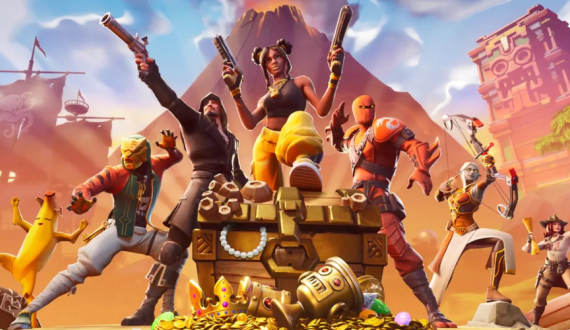
![Winning Tactics for Fortnite: Endgame Strategies img]() May 27, 2024 Benjamin Carter Winning Tactics for Fortnite: Endgame Strategies Fortnite, the battle royale phenomenon, continues to captivate millions with its dynamic gameplay and strategic depth. As the match progresses towards its climax—the endgame—having a set of refined strategies becomes crucial. This section highlights the essence of mastering the endgame in Fortnite, providing a framework for the insights that follow.The endgame phase typically begins when the playing field has shrunk significantly, thrusting surviving players into tighter conflicts. Here, smart positioning, resource management, and situational awareness become more critical than ever. This manual is designed to provide players with sophisticated strategies to enhance their likelihood of achieving a victory royale.Understanding Game Mechanics and Player DynamicsFortnite's endgame is influenced heavily by its core game mechanics. The ever-encroaching storm pushes players closer, creating intense encounters. Mastery over building mechanics provides both defensive and offensive advantages, allowing for rapid high-ground acquisition and protection from incoming fire.Furthermore, understanding player dynamics in the endgame scenario is vital. Anticipating enemy movements and decisions can result in favorable engagements. Key to this is maintaining a balance between aggression and caution, being mindful of the remaining player count, and adjusting strategies accordingly.Optimizing Graphics Settings for Clarity and PerformanceVisual clarity can significantly influence your performance in Fortnite's endgame. Optimizing graphics settings to balance aesthetics with functionality is key. Lowering certain visual effects, while keeping view distance maxed, ensures you can spot enemies at a distance without losing frames during crucial moments.Additionally, adjusting screen brightness and contrast can help in spotting enemies quicker, especially in darker areas. Players should experiment with these settings in less competitive environments to find what best suits their individual needs.Design and Sound - Gaining a Tactical EdgeFortnite's sound design can be a critical ally in the endgame. Sound cues like footsteps, weapon reloads, and gliders can give away an opponent's position before they come into view. Utilizing headphones with good stereo sound can drastically improve your ability to locate these audio cues accurately.The game's visual design also assists in strategy. Color contrasts and environmental cues can help distinguish enemy structures from natural cover, providing crucial information on enemy whereabouts and recent activity.Manipulating Cheats and Shortcuts ResponsiblyWhile... Read More
May 27, 2024 Benjamin Carter Winning Tactics for Fortnite: Endgame Strategies Fortnite, the battle royale phenomenon, continues to captivate millions with its dynamic gameplay and strategic depth. As the match progresses towards its climax—the endgame—having a set of refined strategies becomes crucial. This section highlights the essence of mastering the endgame in Fortnite, providing a framework for the insights that follow.The endgame phase typically begins when the playing field has shrunk significantly, thrusting surviving players into tighter conflicts. Here, smart positioning, resource management, and situational awareness become more critical than ever. This manual is designed to provide players with sophisticated strategies to enhance their likelihood of achieving a victory royale.Understanding Game Mechanics and Player DynamicsFortnite's endgame is influenced heavily by its core game mechanics. The ever-encroaching storm pushes players closer, creating intense encounters. Mastery over building mechanics provides both defensive and offensive advantages, allowing for rapid high-ground acquisition and protection from incoming fire.Furthermore, understanding player dynamics in the endgame scenario is vital. Anticipating enemy movements and decisions can result in favorable engagements. Key to this is maintaining a balance between aggression and caution, being mindful of the remaining player count, and adjusting strategies accordingly.Optimizing Graphics Settings for Clarity and PerformanceVisual clarity can significantly influence your performance in Fortnite's endgame. Optimizing graphics settings to balance aesthetics with functionality is key. Lowering certain visual effects, while keeping view distance maxed, ensures you can spot enemies at a distance without losing frames during crucial moments.Additionally, adjusting screen brightness and contrast can help in spotting enemies quicker, especially in darker areas. Players should experiment with these settings in less competitive environments to find what best suits their individual needs.Design and Sound - Gaining a Tactical EdgeFortnite's sound design can be a critical ally in the endgame. Sound cues like footsteps, weapon reloads, and gliders can give away an opponent's position before they come into view. Utilizing headphones with good stereo sound can drastically improve your ability to locate these audio cues accurately.The game's visual design also assists in strategy. Color contrasts and environmental cues can help distinguish enemy structures from natural cover, providing crucial information on enemy whereabouts and recent activity.Manipulating Cheats and Shortcuts ResponsiblyWhile... Read More ![The Anticipation Builds: Another Glimpse of Hello Games' New Title "Light No Fire" img]() May 27, 2024 Alison Harvard The Anticipation Builds: Another Glimpse of Hello Games' New Title "Light No Fire" Gamers worldwide are holding their breath as Hello Games tantalizingly hints at another teaser for their much-anticipated open-world game, "Light No Fire". Sean Murray, the lead at Hello Games, has sparked excitement with a recent tweet suggesting that a new preview may be on the horizon. This follows up on the initial reveal that left the gaming community buzzing with curiosity and speculation.
Hello Games, renowned for their expansive and innovative game No Man's Sky, has managed to build a dedicated following over the years. With their reputation for creating vast, explorable worlds, the announcement of a new project was bound to stir up excitement. The initial teaser for Light No Fire was cryptic yet mesmerizing, featuring atmospheric visuals and a unique art style that left fans craving more details.
In his latest tweet, Murray did not reveal much but promised that a second look at the game is coming soon. "Excited to share more about Light No Fire soon. Stay tuned for another glimpse!" he tweeted, accompanied by a mysterious image that only fueled the speculation further.
While it is still unclear what kind of gameplay Light No Fire will feature, the name itself suggests a departure from the usual survival elements seen in many open-world games. The title implies a focus on exploration and storytelling, perhaps with an emphasis on visual storytelling rather than traditional combat and resource management.
The gaming community has been quick to speculate on the potential themes and mechanics of Light No Fire. Some enthusiasts believe it may incorporate elements of environmental puzzles, where the player’s actions or inactions could affect the world around them. Others suggest that the game might be exploring more narrative-driven content, allowing players to immerse themselves in a richly crafted story.
It's clear that Hello Games excels at maintaining the interest and anticipation of their audience. Their post-launch support for No Man's Sky, which included numerous free updates vastly expanding the game’s content, has built a strong level of trust and anticipation for their projects. Thus, any new information about Light No Fire is bound to capture significant attention.
Moreover, the speculation around the game's... Read More
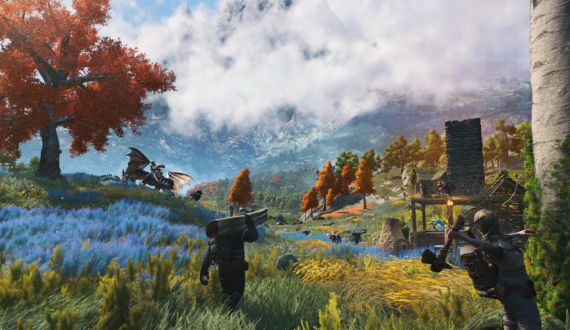
May 27, 2024 Alison Harvard The Anticipation Builds: Another Glimpse of Hello Games' New Title "Light No Fire" Gamers worldwide are holding their breath as Hello Games tantalizingly hints at another teaser for their much-anticipated open-world game, "Light No Fire". Sean Murray, the lead at Hello Games, has sparked excitement with a recent tweet suggesting that a new preview may be on the horizon. This follows up on the initial reveal that left the gaming community buzzing with curiosity and speculation.
Hello Games, renowned for their expansive and innovative game No Man's Sky, has managed to build a dedicated following over the years. With their reputation for creating vast, explorable worlds, the announcement of a new project was bound to stir up excitement. The initial teaser for Light No Fire was cryptic yet mesmerizing, featuring atmospheric visuals and a unique art style that left fans craving more details.
In his latest tweet, Murray did not reveal much but promised that a second look at the game is coming soon. "Excited to share more about Light No Fire soon. Stay tuned for another glimpse!" he tweeted, accompanied by a mysterious image that only fueled the speculation further.
While it is still unclear what kind of gameplay Light No Fire will feature, the name itself suggests a departure from the usual survival elements seen in many open-world games. The title implies a focus on exploration and storytelling, perhaps with an emphasis on visual storytelling rather than traditional combat and resource management.
The gaming community has been quick to speculate on the potential themes and mechanics of Light No Fire. Some enthusiasts believe it may incorporate elements of environmental puzzles, where the player’s actions or inactions could affect the world around them. Others suggest that the game might be exploring more narrative-driven content, allowing players to immerse themselves in a richly crafted story.
It's clear that Hello Games excels at maintaining the interest and anticipation of their audience. Their post-launch support for No Man's Sky, which included numerous free updates vastly expanding the game’s content, has built a strong level of trust and anticipation for their projects. Thus, any new information about Light No Fire is bound to capture significant attention.
Moreover, the speculation around the game's... Read More -
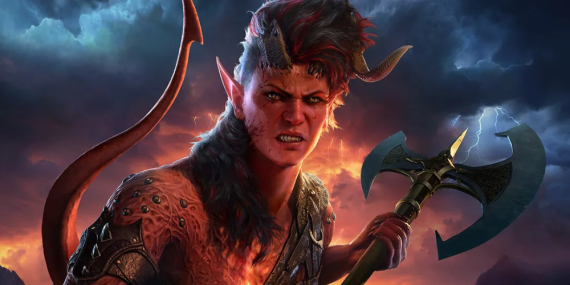
![Larian Studios CEO Discusses Crunch in Baldur's Gate 3 Development img]() May 27, 2024 Benjamin Carter Larian Studios CEO Discusses Crunch in Baldur's Gate 3 Development During an insightful interview, Swen Vincke, the CEO of Larian Studios, reflected on the creation of one of the year's most anticipated RPGs, Baldur's Gate 3. The game, which has received widespread acclaim for its expansive world, intricate storytelling, and innovative mechanics, did not come to fruition without challenges, including necessary crunch periods.
In his candid discussion, Vincke shared the complexities encountered during the extensive development phase, explaining that the team had to engage in periods of intense work to meet the game's ambitious goals. He was transparent about the crunch times, explaining that these were essential to deliver the polished product players now enjoy.
Vincke revealed, "We did have to do a bit of crunch to get Baldur's Gate 3 where it needed to be. The scale and ambition of the game demanded it. Our team was incredibly dedicated and put in the extra hours to ensure everything was perfect. It's not something we want to make a habit of, but for this project, it was sometimes unavoidable."
Crunch, a term often used in the video game industry, refers to extended periods where developers work longer hours to meet project deadlines. It is a subject of ongoing debate, with concerns about its potential impact on developers' health and well-being. While Larian Studios is known for its commitment to creating high-quality games that resonate with players, Vincke acknowledged the challenges posed by crunch during the Baldur's Gate 3 development.
"We are always striving to find the right balance," Vincke continued. "Our primary goal is to create amazing games while also looking after our team. However, there are times when the deadline pressure and the scope of what we aim to achieve necessitate extra effort. The last thing we want is to burn out our talented team, so we're constantly looking at ways to improve our processes for future projects."
The conversation also highlighted Larian's dedication to transparency and ethical development practices. While admitting to the challenges, Vincke emphasized that the studio remains committed to continuous improvement and maintaining a positive working environment. He pointed out that, despite the crunch periods, the studio made efforts to minimize their duration and impact whenever possible.
Fans of Baldur's Gate 3 can appreciate the intensive work that has gone into creating the robust RPG, knowing that the team at Larian Studios pulled together to deliver an exceptional experience. The game’s success is a testament to their hard work and dedication.
Moving forward, Vincke expressed optimism about future projects and the importance of learning from each development cycle. He assured that Larian Studios would continue to prioritize the well-being of its team, aiming to reduce the need for crunch through better planning and resource allocation.
Baldur's Gate 3 has set a new standard...
May 27, 2024 Benjamin Carter Larian Studios CEO Discusses Crunch in Baldur's Gate 3 Development During an insightful interview, Swen Vincke, the CEO of Larian Studios, reflected on the creation of one of the year's most anticipated RPGs, Baldur's Gate 3. The game, which has received widespread acclaim for its expansive world, intricate storytelling, and innovative mechanics, did not come to fruition without challenges, including necessary crunch periods.
In his candid discussion, Vincke shared the complexities encountered during the extensive development phase, explaining that the team had to engage in periods of intense work to meet the game's ambitious goals. He was transparent about the crunch times, explaining that these were essential to deliver the polished product players now enjoy.
Vincke revealed, "We did have to do a bit of crunch to get Baldur's Gate 3 where it needed to be. The scale and ambition of the game demanded it. Our team was incredibly dedicated and put in the extra hours to ensure everything was perfect. It's not something we want to make a habit of, but for this project, it was sometimes unavoidable."
Crunch, a term often used in the video game industry, refers to extended periods where developers work longer hours to meet project deadlines. It is a subject of ongoing debate, with concerns about its potential impact on developers' health and well-being. While Larian Studios is known for its commitment to creating high-quality games that resonate with players, Vincke acknowledged the challenges posed by crunch during the Baldur's Gate 3 development.
"We are always striving to find the right balance," Vincke continued. "Our primary goal is to create amazing games while also looking after our team. However, there are times when the deadline pressure and the scope of what we aim to achieve necessitate extra effort. The last thing we want is to burn out our talented team, so we're constantly looking at ways to improve our processes for future projects."
The conversation also highlighted Larian's dedication to transparency and ethical development practices. While admitting to the challenges, Vincke emphasized that the studio remains committed to continuous improvement and maintaining a positive working environment. He pointed out that, despite the crunch periods, the studio made efforts to minimize their duration and impact whenever possible.
Fans of Baldur's Gate 3 can appreciate the intensive work that has gone into creating the robust RPG, knowing that the team at Larian Studios pulled together to deliver an exceptional experience. The game’s success is a testament to their hard work and dedication.
Moving forward, Vincke expressed optimism about future projects and the importance of learning from each development cycle. He assured that Larian Studios would continue to prioritize the well-being of its team, aiming to reduce the need for crunch through better planning and resource allocation.
Baldur's Gate 3 has set a new standard... -
![Nintendo Switch Spring 2024 Lineup: A Nostalgic Journey with Modern Twists img]() May 27, 2024 Alison Harvard Nintendo Switch Spring 2024 Lineup: A Nostalgic Journey with Modern Twists As the gaming world turns its gaze towards the horizon, the coming months unveil an exciting lineup for Nintendo Switch enthusiasts, filled with a rich tapestry of remakes, remasters, and innovative accessories that promise to redefine our gaming experience. This period marks a significant moment as developers delve into the archives to breathe new life into beloved classics, ensuring that both new and seasoned gamers can embark on nostalgic journeys with a modern twist. From the depths of the ocean to the far reaches of space, let's explore what May and June 2024 have in store for us.
Reviving Classics: Remakes and Remasters Heading Our Way
May and June 2024 are poised to be landmark months for Nintendo Switch, with a roster that heavily features remakes and remasters of iconic games. Among these, "Endless Ocean: Luminous" makes a much-anticipated return on May 2nd, inviting players to explore aquatic marvels in a title that hasn't seen a new release since 2009. Notably, "Paper Mario: The Thousand-Year Door," a revered GameCube classic, is set to captivate a new generation when it launches on May 23rd. This period is a testament to Nintendo's commitment to revisiting and revitalizing games that have left a lasting impact on players.
Affiliate Links and Purchases
With excitement building around these releases, it's important to note that, in our quest to bring you the latest news, some of the links provided are affiliate links. This means that any shopping done through these links may earn us a small interest. We encourage our readers to view our FTC Disclosure for full clarity on our practices and your choices.
Personal Favorites and Anticipated Gems
Among the plethora of titles slated for release, certain games have garnered particular attention. "Paper Mario: The Thousand-Year Door" stands as a personal favorite, eagerly awaited by many including our team. The anticipation around it signifies its standing as a pivotal release in the Nintendo Switch lifecycle. Additionally, with preorders already in play for highlighted games, the excitement is palpable, showcasing the community's readiness to dive back into these beloved worlds.
Assessing Nintendo's Strategy
As the gaming landscape evolves, Nintendo's strategy of leaning into remakes raises discussions about its impact on the brand's innovation and legacy. Some fans express concerns over a perceived focus on safer, nostalgic titles at the expense of introducing groundbreaking new entries. However, this approach also offers an opportunity for newer audiences to experience classic games in a modern context, potentially setting the stage for future original releases.
Diverse Gaming Options and Third-Party Inclusions
While Nintendo's offerings are a mix of remakes and niche sequels, the Switch's upcoming lineup is complemented by third-party titles that promise variety and excitement. Games stretching across different genres, from "My Little Pony" to "The Smurfs Village...
May 27, 2024 Alison Harvard Nintendo Switch Spring 2024 Lineup: A Nostalgic Journey with Modern Twists As the gaming world turns its gaze towards the horizon, the coming months unveil an exciting lineup for Nintendo Switch enthusiasts, filled with a rich tapestry of remakes, remasters, and innovative accessories that promise to redefine our gaming experience. This period marks a significant moment as developers delve into the archives to breathe new life into beloved classics, ensuring that both new and seasoned gamers can embark on nostalgic journeys with a modern twist. From the depths of the ocean to the far reaches of space, let's explore what May and June 2024 have in store for us.
Reviving Classics: Remakes and Remasters Heading Our Way
May and June 2024 are poised to be landmark months for Nintendo Switch, with a roster that heavily features remakes and remasters of iconic games. Among these, "Endless Ocean: Luminous" makes a much-anticipated return on May 2nd, inviting players to explore aquatic marvels in a title that hasn't seen a new release since 2009. Notably, "Paper Mario: The Thousand-Year Door," a revered GameCube classic, is set to captivate a new generation when it launches on May 23rd. This period is a testament to Nintendo's commitment to revisiting and revitalizing games that have left a lasting impact on players.
Affiliate Links and Purchases
With excitement building around these releases, it's important to note that, in our quest to bring you the latest news, some of the links provided are affiliate links. This means that any shopping done through these links may earn us a small interest. We encourage our readers to view our FTC Disclosure for full clarity on our practices and your choices.
Personal Favorites and Anticipated Gems
Among the plethora of titles slated for release, certain games have garnered particular attention. "Paper Mario: The Thousand-Year Door" stands as a personal favorite, eagerly awaited by many including our team. The anticipation around it signifies its standing as a pivotal release in the Nintendo Switch lifecycle. Additionally, with preorders already in play for highlighted games, the excitement is palpable, showcasing the community's readiness to dive back into these beloved worlds.
Assessing Nintendo's Strategy
As the gaming landscape evolves, Nintendo's strategy of leaning into remakes raises discussions about its impact on the brand's innovation and legacy. Some fans express concerns over a perceived focus on safer, nostalgic titles at the expense of introducing groundbreaking new entries. However, this approach also offers an opportunity for newer audiences to experience classic games in a modern context, potentially setting the stage for future original releases.
Diverse Gaming Options and Third-Party Inclusions
While Nintendo's offerings are a mix of remakes and niche sequels, the Switch's upcoming lineup is complemented by third-party titles that promise variety and excitement. Games stretching across different genres, from "My Little Pony" to "The Smurfs Village... -
![Neil Druckmann Teases Groundbreaking Project at Naughty Dog That May Redefine Video Games img]() May 26, 2024 Benjamin Carter Neil Druckmann Teases Groundbreaking Project at Naughty Dog That May Redefine Video Games Neil Druckmann, co-president of Naughty Dog, hinted at the transformative potential of the gaming studio's upcoming project during a discussion with Sony, aligned with their corporate strategy assembly on May 23. He suggested this forthcoming venture might "alter mainstream notions of what video games can be."
In his conversation, Druckmann expressed great enthusiasm for a new project, calling it "the most exciting endeavor to date." He shared insights into the evolving recognition of gaming across different generations, a stark contrast to his early years. Druckmann noted, particularly, how Naughty Dog's move to television with The Last of Us aimed to narrow the divide between gamers and those unfamiliar with gaming.
The success of The Last of Us TV adaptation, according to Druckmann, has not only brought gaming into the limelight but has also validated it as a form of rich and immersive storytelling. He believes this attention bodes well not just for Naughty Dog's current project but for the entirety of the gaming industry's capability to engage global audiences.
Druckmann is keen to observe the reception of this new title, especially in the wake of The Last of Us's success, as it has the potential to shift conventional views on gaming. While Naughty Dog has yet to disclose details about its next title, speculation is rife regarding whether it will be a continuation of The Last of Us series or a completely new intellectual property. Druckmann mentioned having a "concept" for the next chapter of The Last of Us and described the new game as "exceptionally ambitious," acknowledging certain complexities in its development.
Furthermore, Naughty Dog has proclaimed its ambition to "eliminate crunch" after the demanding production schedule for The Last of Us Part 2, signaling a commitment to fostering a healthier work environment.
May 26, 2024 Benjamin Carter Neil Druckmann Teases Groundbreaking Project at Naughty Dog That May Redefine Video Games Neil Druckmann, co-president of Naughty Dog, hinted at the transformative potential of the gaming studio's upcoming project during a discussion with Sony, aligned with their corporate strategy assembly on May 23. He suggested this forthcoming venture might "alter mainstream notions of what video games can be."
In his conversation, Druckmann expressed great enthusiasm for a new project, calling it "the most exciting endeavor to date." He shared insights into the evolving recognition of gaming across different generations, a stark contrast to his early years. Druckmann noted, particularly, how Naughty Dog's move to television with The Last of Us aimed to narrow the divide between gamers and those unfamiliar with gaming.
The success of The Last of Us TV adaptation, according to Druckmann, has not only brought gaming into the limelight but has also validated it as a form of rich and immersive storytelling. He believes this attention bodes well not just for Naughty Dog's current project but for the entirety of the gaming industry's capability to engage global audiences.
Druckmann is keen to observe the reception of this new title, especially in the wake of The Last of Us's success, as it has the potential to shift conventional views on gaming. While Naughty Dog has yet to disclose details about its next title, speculation is rife regarding whether it will be a continuation of The Last of Us series or a completely new intellectual property. Druckmann mentioned having a "concept" for the next chapter of The Last of Us and described the new game as "exceptionally ambitious," acknowledging certain complexities in its development.
Furthermore, Naughty Dog has proclaimed its ambition to "eliminate crunch" after the demanding production schedule for The Last of Us Part 2, signaling a commitment to fostering a healthier work environment. -
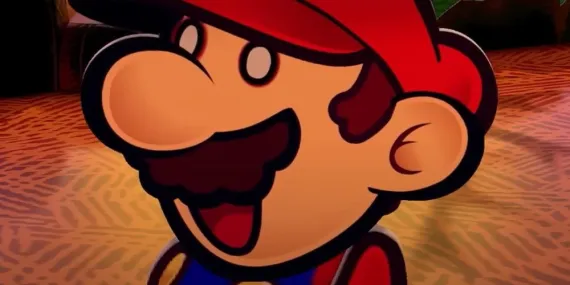
![Dataminers Unearth 4K Resolution Support Clue in Paper Mario Remake: Hints at Nintendo Switch 2 img]() May 25, 2024 Benjamin Carter Dataminers Unearth 4K Resolution Support Clue in Paper Mario Remake: Hints at Nintendo Switch 2 As anticipation for the Nintendo Switch 2 builds, there's buzz surrounding dataminers discovering 4k resolution support within a Paper Mario remake.
The potential existence of a Nintendo Switch 2 is causing excitement, and recent discoveries by dataminers may have unearthed evidence of 4k resolution capabilities in the anticipated remake of Paper Mario: The Thousand Year Door.
RibShark recently shared insights, mentioning the uncovering of 4k resolution handling within the new Paper Mario TTYD remake, as demonstrated in a screenshot. This screenshot illustrates the game's ability to adjust to various resolutions, including 4k - a feature not currently achievable by the existing Switch model without modifications. "Uncertain whether this aligns with the norm for Switch titles, but it caught my attention," stated RibShark.
The tech community has been rife with speculation about an upgraded Nintendo Switch model for several months. With Shuntaro Furukawa, Nintendo's president, hinting at unveiling next-generation hardware within the fiscal year, many fans are inferring that the newly found code might suggest plans for a Nintendo Switch 2 compatible version.
While no official confirmation exists regarding the successor to the Nintendo Switch and its capability to support 4k resolutions, the discovered code might not solely indicate an upcoming port or update. It's possible the code is remnants from development, a tool within the engine for generating higher quality promotional images, or even something more whimsical like prepping visuals for a cosmic audience. Nonetheless, speculation about the Nintendo Switch 2 will likely continue unabated until Nintendo makes an official announcement or a cataclysmic cosmic event takes precedence.
Amid ongoing speculation, there are reports suggesting the Switch 2 might debut as early as 2025, featuring backward compatibility and enhancements for select older titles. With the previous success of the Switch, Nintendo stands on the cusp of another monumental phase of growth.
While waiting for more news on Nintendo's future plans, there's a wealth of upcoming Switch titles to keep fans engaged.
May 25, 2024 Benjamin Carter Dataminers Unearth 4K Resolution Support Clue in Paper Mario Remake: Hints at Nintendo Switch 2 As anticipation for the Nintendo Switch 2 builds, there's buzz surrounding dataminers discovering 4k resolution support within a Paper Mario remake.
The potential existence of a Nintendo Switch 2 is causing excitement, and recent discoveries by dataminers may have unearthed evidence of 4k resolution capabilities in the anticipated remake of Paper Mario: The Thousand Year Door.
RibShark recently shared insights, mentioning the uncovering of 4k resolution handling within the new Paper Mario TTYD remake, as demonstrated in a screenshot. This screenshot illustrates the game's ability to adjust to various resolutions, including 4k - a feature not currently achievable by the existing Switch model without modifications. "Uncertain whether this aligns with the norm for Switch titles, but it caught my attention," stated RibShark.
The tech community has been rife with speculation about an upgraded Nintendo Switch model for several months. With Shuntaro Furukawa, Nintendo's president, hinting at unveiling next-generation hardware within the fiscal year, many fans are inferring that the newly found code might suggest plans for a Nintendo Switch 2 compatible version.
While no official confirmation exists regarding the successor to the Nintendo Switch and its capability to support 4k resolutions, the discovered code might not solely indicate an upcoming port or update. It's possible the code is remnants from development, a tool within the engine for generating higher quality promotional images, or even something more whimsical like prepping visuals for a cosmic audience. Nonetheless, speculation about the Nintendo Switch 2 will likely continue unabated until Nintendo makes an official announcement or a cataclysmic cosmic event takes precedence.
Amid ongoing speculation, there are reports suggesting the Switch 2 might debut as early as 2025, featuring backward compatibility and enhancements for select older titles. With the previous success of the Switch, Nintendo stands on the cusp of another monumental phase of growth.
While waiting for more news on Nintendo's future plans, there's a wealth of upcoming Switch titles to keep fans engaged.