
Nov 01, 2026
Alison Harvard
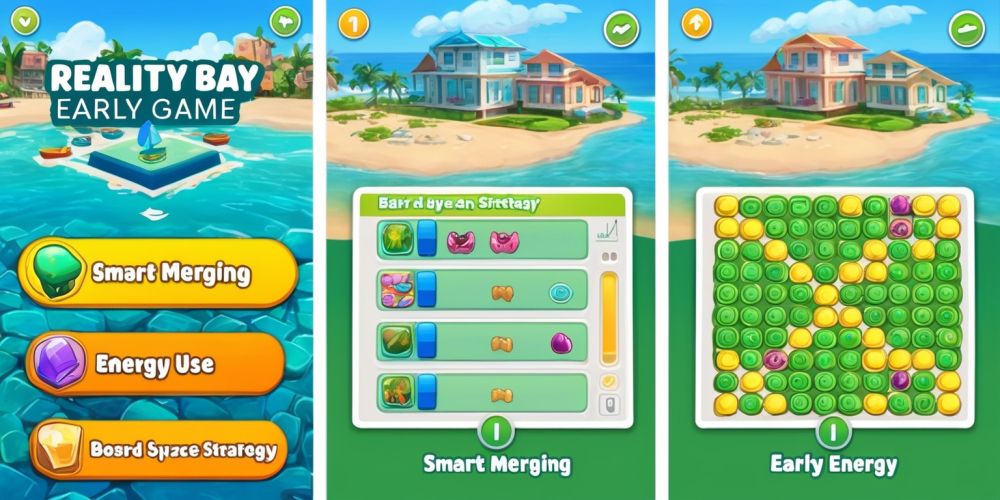
Reality Bay can feel inviting at first glance, yet the moment you begin arranging pieces and chasing story progress, that welcoming surface gives way to a busier experience than expected. The appeal comes from its layered merge system, the steady flow of collections, and the sense that every small action contributes to something larger. For new players, though, that same richness can quickly become a source of confusion. Board space disappears fast, Energy feels limited, and it is easy to spend time making moves that do not help long-term progress. This article focuses on the early game and the practical habits that make it easier to enjoy the unfolding adventure without feeling boxed in by clutter or scarcity.
Getting Comfortable With the First Few Moves
The opening moments in Reality Bay are designed to ease players into the experience, but even then the game expects careful attention. Every merge matters because the board fills quickly, and the pace of early progression depends on how efficiently you use each item. New players often begin by tapping and combining without a plan, but this usually leads to scattered space and a lack of room for creating useful chains. A better approach is to treat the board as a working area rather than a storage bin. Keep likely merge pairs close together, watch for items that can be advanced soon, and avoid letting random objects spread across every empty slot. That small discipline creates breathing room and makes later tasks feel much smoother.
Why Board Space Becomes Your Main Resource
In Reality Bay, free tiles are almost as valuable as the items themselves. The game rarely gives unlimited room, so every bit of open space has meaning. When the board becomes crowded, planning gets harder because you lose the ability to compare pieces and create clear merge paths. One helpful habit is to hold onto only the objects that have an immediate purpose. If an item does not contribute to a current Here are a few unique rewrites that keep the same context: - **objective, it might be wiser to let it go** - **aim, it may be best to set it aside** - **purpose, it may be better to walk away from it** - **goal, it may be more practical to leave it alone** If you want, I can also make it sound more formal, natural, or conversational untouched or move it into a position where it will not block movement. Managing space well also helps when rewards arrive unexpectedly. A neat board allows those rewards to be claimed without creating another cleanup problem right away.
Energy as the Rhythm of Progress
Energy is one of the clearest limits in the game, and learning its rhythm is essential for steady advancement. It controls how many actions you can take before pausing, which means careless spending can leave you stuck long before you are ready to stop. Instead of using Energy in short bursts with no direction, it helps to determine your goal before you begin spending it. This may involve completing a chain of merges, advancing a task, or unlocking a specific reward path. By having a goal in mind, each point of Energy supports progress rather than disappearing into scattered activity. That mindset also makes waiting periods feel less frustrating because you know exactly what the next session will focus on.
Understanding the Story Through Movement

The narrative in Reality Bay is not something separate from the puzzle loop. It advances through gameplay itself, which gives every completed merge and every cleared objective a stronger sense of purpose. This structure encourages players to see their board Here are a few unique rewrites that keep the same meaning and fit naturally into the sentence: - **as an integral element of the storyline instead of merely** - **as a meaningful part of the narrative rather than simply** - **as woven into the storyline instead of just** - **as a core component of the story rather than only** If you want, I can also rewrite the **entire sentence** for you to make it sound more natural a mechanics screen. When a task is finished, the story unlocks little by little, and that creates anticipation for what comes next. For beginners, this connection matters because it turns routine actions into meaningful steps. Instead of wondering why certain items matter, you start recognizing that the game uses them to guide you through the world. That makes learning the systems feel more natural and keeps the experience grounded in discovery.
Collections and Their Quiet Influence
Collections provide one of the more satisfying layers in Reality Bay, especially for players who enjoy steady, visible progress. They are often what keep long sessions feeling rewarding because they offer a sense of advancement beyond the immediate board state. Even if you are not close to finishing a set, each item you gather adds direction to your play. New players sometimes overlook collections while focusing only on merges, but they can help define what should be saved and what can be merged right away. When you have a collection in mind, it becomes easier to decide if a piece is worth keeping for later. That reduces clutter and gives each object a role, which is especially useful during the early game.
Keeping the Board Organized Without Freezing Progress
Organization in Reality Bay is less about perfection and more about creating a repeatable system. You do not need a flawless arrangement, but you do need enough structure to know where things belong. Many players find it useful to assign mental zones on the board: one area for active merge chains, another for items waiting for the next step, and a small buffer for newly earned pieces. This approach prevents the board from becoming chaotic when rewards arrive quickly. It also helps you spot opportunities faster because similar items remain near one another. The key is consistency. If you keep changing your arrangement style every few minutes, you spend more time correcting mistakes than making meaningful progress.
Early Game Patience and the Value of Waiting
Reality Bay rewards patience as much as activity. A fresh, original rewrite that keeps the meaning is: **“Initially, it may be tempting to”** If you want, I can also give you 5–10 more variations in different tones (formal, casual, academic, or persuasive) push every available mechanic as fast as possible, but at times the wisest choice is to hold back and let space open naturally. Waiting can be beneficial when Energy is low, board capacity is tight, or none of the available merges meaningfully advance your goals. In those moments, rushing often creates extra problems. A short break can help you return with a clearer plan and a cleaner board. This slower style of play also helps beginners avoid wasting valuable resources on low-impact actions. The game becomes more enjoyable when you realize that not every session needs to be high pressure; some are simply about setting up the next strong run.
How Level Progress Shapes the Experience
Advancing through levels is more than a numbers game in Reality Bay. Each level acts as a gate that opens new content, story beats, and opportunities to expand what you can do. That is why efficient play matters so much early on. If your board is messy or your Energy is spent carelessly, level progression slows down and the game can feel repetitive. On the other hand, when you focus on useful merges and targeted objectives, each level feels like a small reward for good planning. Beginners should pay close attention to the tasks that really move the game forward. These are the actions that keep the experience fresh, because they help reveal new parts of the world instead of leaving you stuck repeating the same patterns.
The Appeal of Smooth Merging
One of Reality Bay’s biggest strengths is how smooth the merging feels once you understand the flow. The interaction is simple, but it becomes satisfying because every merged pair delivers visible improvement. That sensation is important in a game built around gradual growth. You are not just combining pieces for the sake of clearing space; you are creating stronger tools, more useful items, and better opportunities for future play. This makes A unique rewrite could be: **“the game especially satisfying for players who like”** If you want, I can also give you 5–10 alternative phrasings in different tones watching small decisions become larger results. For beginners, the trick is to identify which merges are worth prioritizing. When you move pieces without a clear chain in mind, the process feels slower. When you plan ahead, the board starts working with you instead of against you.
What New Players Should Focus on First
Early success in Reality Bay usually comes from three habits: keeping space open, using Energy carefully, and paying attention to the story objectives that matter most. Those priorities give structure to the first stage of play and prevent common mistakes Here are a few unique rewrites that keep the meaning and fit naturally in a sentence: - **that make the game more difficult than necessary** - **that make the game harder than it really needs to be** - **that add unnecessary difficulty to the game** - **that make the game tougher than it should be** If you want, I can also make it sound **more natural, more formal, or more casual**. It is easy to become distracted by the many items appearing on the board, but beginners benefit from narrowing their focus. Learn what pieces connect well, notice which tasks unlock progress, and avoid filling the board simply because there is room. The early game is not Here’s a unique rewrite that keeps the meaning and fits naturally: **“about trying to do everything all at the same time. It is about”** If you want, I can also give you: - a **more formal version** - a **more natural conversational version** - **3–5 alternative rewrites** building a sensible routine that leaves enough flexibility for rewards, merges, and new goals as they appear.
The Visual Style and Atmosphere of the Bay
Beyond mechanics, Reality Bay stands out because of its atmosphere. The setting suggests a place filled with discovery, and that feeling supports the merge system well. The visuals give each object enough presence to make the board feel active without becoming overwhelming. A good merge game needs clarity, and the design here helps players read the board while still enjoying the sense of a lived-in world. The tone also supports the story progression, making the experience feel cohesive rather than fragmented. For new players, that visual comfort is important because it softens the challenge of learning systems. Even when the board is crowded, the presentation keeps the game approachable and inviting.
Building a Habit That Makes Future Sessions Easier
The smartest way to approach Reality Bay is to build habits that protect your future options. Whether that means reserving empty slots, avoiding impulsive merges, or saving Energy for a focused run, these small choices stack up over time. The game is more enjoyable when early sessions create momentum instead of clutter. As you get used to the pace, you begin to notice how much easier it is to move through objectives when you are not constantly cleaning up mistakes. That is why beginners benefit from thinking beyond the current move. Every decision should support the next few steps as well as the one in front of you, because in a merge game, good structure is what turns scattered effort into reliable progress.