
Mar 01, 2026
Alison Harvard
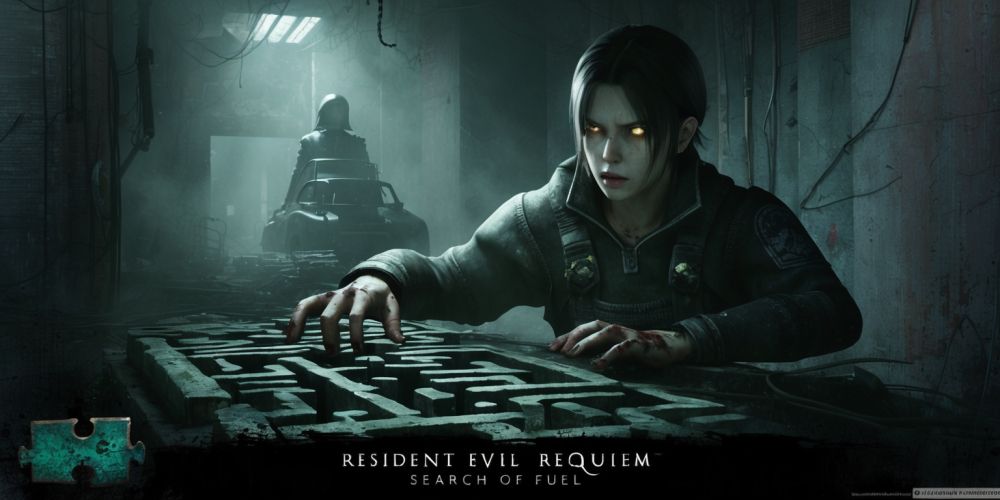
The world of Resident Evil Requiem challenges players with puzzles that meld atmospheric tension and elaborate gameplay. This experience demands careful observation and understanding of intricate mechanisms. In one segment of the game, obtaining fuel becomes vital to powering generators that open new pathways. The journey to secure this element is embedded within layers of exploration and interaction with the environment. The process involves following subtle clues, navigating confined spaces, and managing encounters with the ever-present dangers of the urban backdrop. Every step taken contributes to a deeper immersion, calling for precise maneuvers and awareness of the surroundings as Leon Kennedy works methodically through the challenges presented.
Establishing the Puzzle’s Framework
In Resident Evil Requiem, the initial stages of the fuel quest are interwoven with the discovery of key components that set the puzzle in motion. Players begin by collecting critical parts of a unique Detonator. The framework of this challenge revolves around the precise order of operations; gathering the Distributor and the Signal Receiver initiates a chain of tasks. These objects lend depth to the narrative, forging a connection between puzzle-solving tactics and the marathon-like exploration needed throughout the game. The incorporation of such elements demands a meticulous reading of environmental cues and encourages players to analyze every detail. The game’s design ensures that progression is earned through a blend of strategic movement and careful item management.
Tracing the Route with the Map
Embarking on the fuel collection, players are prompted to examine the in-game map to locate the objectives. The navigation system offers a rudimentary quest marker that directs attention to the northern section of the area, revealing subtle indications of a ladder. This marker is instrumental in piecing together the larger puzzle. The map navigation is an essential function that assists players in planning their route and ensuring that no critical component is overlooked. It reinforces the importance of exploration …and the importance of addressing environmental factors details. As players follow the map’s guidance, they progress with a sense of direction, knowing that every step brings them closer to unlocking vital parts of the game’s broader narrative.
Assembling the Critical Components
Before embarking on the fuel recovery, players must concentrate on assembling the pivotal Detonator parts. The game cleverly intertwines the collection of the Distributor and the Signal Receiver with the broader exploration narrative. Once these items are secured, the subsequent actions become clear, including the repair of the Signal Receiver using a dedicated Repair Kit. This step not only solidifies the role of item-based puzzles but also underlines the multi-layered nature of the challenge. Each component plays a significant role in unlocking new areas and transforming the environment. The deliberate and methodical progression emphasizes a gaming strategy that requires players to prioritize problem-solving and resource management, ensuring that every piece is irreplaceable in the quest for success.
Ascending Pathways and Hidden Entrances

The physical act of finding fuel is marked by a journey upward through carefully constructed vertical elements in the game world. After identifying the quest marker and ladder through the map, the next maneuver involves using the environment to gain elevation. Shooting down the ladder sets forth a series of movements—from climbing the ladder to navigating wooden ramps that eventually deliver players to a well-known Gas Station locale. This process is more than a mere shift in height; it exemplifies how the game integrates physical challenges with narrative progression. Each step along the ascent is laced with the urgency of progressing while ensuring environmental hazards are skillfully managed.
Encountering and Overcoming Obstructive Forces
The act of securing fuel is not a solitary mission. As players approach critical junctures within the Gas Station, sudden appearances of hostile forces remind them of the constant danger lurking in the background. These encounters are crafted to test the player’s reflexes and resourcefulness. Within the confines of a structure used for fuel storage, dynamics shift rapidly when opponents engage, forcing a quick recalibration of tactics. The integration of action within the puzzle setting creates a balance between strategy and immediacy. By having these moments interlaced with objective-driven exploration, Resident Evil Requiem enhances the narrative experience, ensuring that progress is both rewarding and perilous.
Strategic Use of Verticality in Gameplay
Vertical navigation is a recurring theme in this fuel puzzle, where the environment offers multiple layers of interaction. After entering the Gas Station, players soon discover that reaching the fuel reservoir requires movements across levels. By ascending a staircase to reach the rooftop and carefully entering through gaps in the ceiling, they reveal hidden paths that bridge interior and exterior challenges. This movement reinforces the game’s overall design philosophy—combining spatial reasoning with action. It demands not only careful observation of the environment but also a dynamic use of in-game physics. The elevation change is intricately connected to the need for stealth, precision, and strategic decision-making, keeping players constantly engaged and testing their ability to think on their feet.
Unlocking Storage Mechanisms and Managing Resources
The fuel collection process pivots on the discovery and activation of storage units that are fundamental to the puzzle. Within the Gas Station’s layout, a colossal fuel tank stands as the primary source for extraction. However, acquiring fuel is not merely about reaching the tank but also entails a journey to secure an appropriate container to store the fuel safely. The gameplay demands that players shift their focus from extraction to resource management, as the Fuel Container is essential for later portions of the mission. This part of the process emphasizes the dual layers of strategic navigation and inventory management, requiring the player to interact with different elements of the scenery and modify their approach dynamically as the mission layout evolves.
Integrating Environmental Hazards into the Quest
The journey to obtain fuel is far from a linear treasure hunt. Unique hazards within the environment add layers of challenge and require adaptability. As players advance from the Gas Station’s rear, where a massive fuel tank awaits, they encounter a diverse set of environmental obstacles. The design cleverly includes areas of open fire and structurally compromised spaces that demand careful maneuvering. Such hazards are purposefully placed to increase the tension, creating an atmosphere where every step forward is laced with potential pitfalls. This integration of environmental challenges underscores the game’s commitment to dynamic and engrossing gameplay, blending action and strategy with a narrative that compels players to continuously adjust and rethink their approach.
Interlinking Generators Within the Game’s Mechanics
The fuel extraction mission acts as a gateway to interacting with key game mechanics centered around powering inactive generators. Once the Fuel Container is filled, the subsequent objective demands that players navigate to a nearby Generator within the Gas Station. This step is not isolated—it forms part of a sequence that enables access to previously unreachable areas and activates various shortcuts in the game world. The interplay between the fuel collection and generator activation illustrates a deep integration of gameplay mechanics, which encourages the notion of progression through logical puzzle completion. Each generator serves as a hub that bridges different segments of the storyline, thereby solidifying the role of resource management as a cornerstone of the game’s immersive environment.
Bridging Gameplay and Narrative with Fluid Integration
The pursuit of fuel in Resident Evil Requiem represents a fine balance between intricate gameplay mechanics and a compelling narrative structure. By setting tasks that involve gathering essential items, scaling vertical structures, and tactically neutralizing threats, the game prompts players to engage on multiple levels. The various stages—from mapping out objectives to interacting with a dynamic environment—demonstrate a fluid integration of mechanics that are consistently interwoven with the storyline. Each segment of the game builds on previous challenges and reinforces the emotional stakes involved in Leon Kennedy’s journey. This design creates an experience where methodical puzzle-solving, resource management, and fast-paced encounters work together seamlessly, offering an engaging and multifaceted gameplay experience without relinquishing the core narrative tension.